Pride and Prejudice by Jane Austen – Free EPUB, Kindle & Public Domain Guide
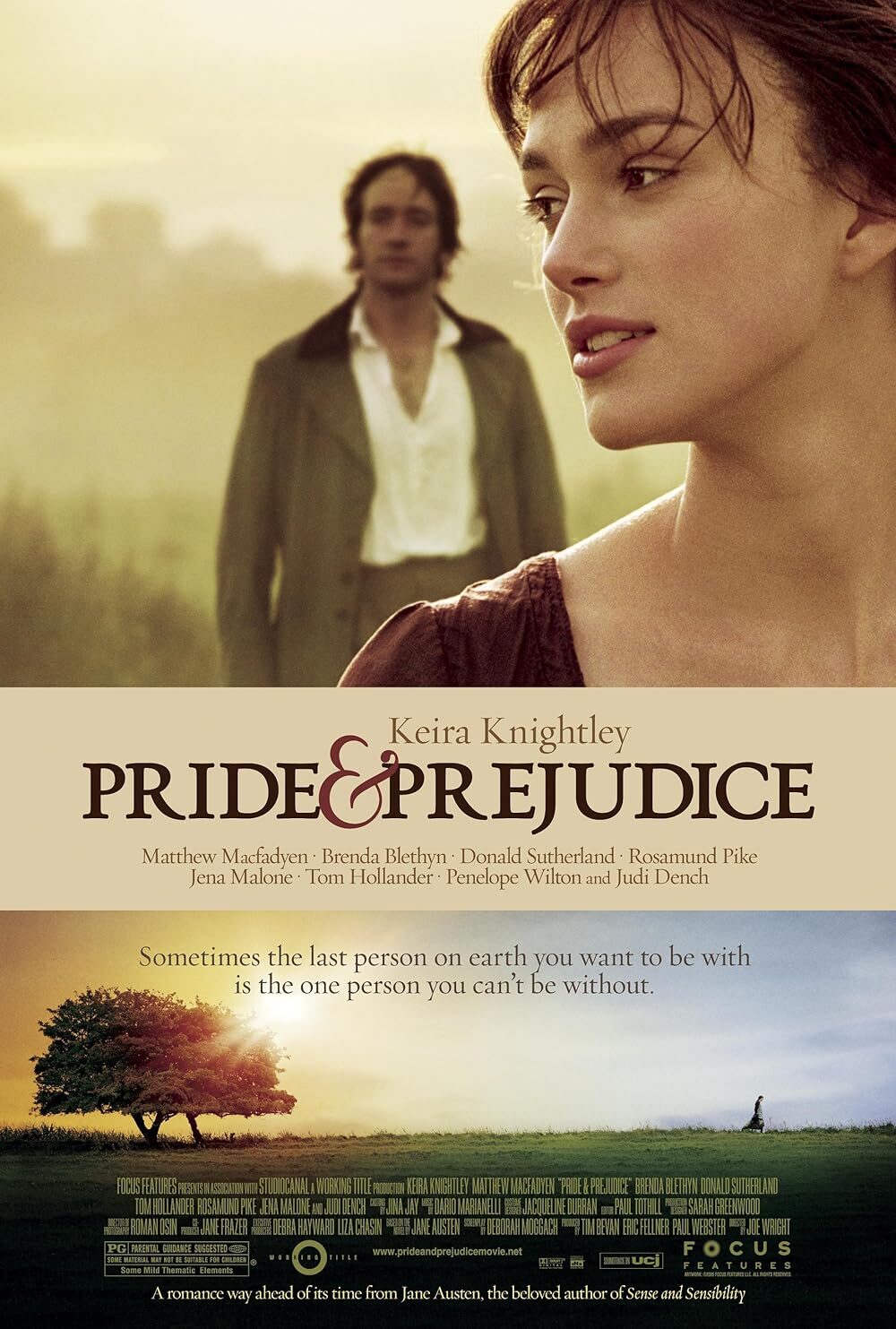
Pride and Prejudice by Jane Austen
First Published: 1813 | Genre: Regency Romance / Social Satire | Reading Time: ~7 hours
Download Clean Public Domain Editions
Read Jane Austen’s timeless comedy of manners in clean, unabridged, and typographically polished formats. Our digital editions are free from intrusive OCR scanning artifacts and fully compatible with modern e-readers.
- 📥 Download EPUB (For Apple Books, Kobo, Android)
- 📱 Download MOBI / AZW3 (Optimized for Amazon Kindle)
- 📄 Read Plain Text / Web Edition (Unabridged HTML)
Prefer listening? Experience Elizabeth Bennet and Mr. Darcy’s story performed by world-class narrators. You can stream the complete Pride and Prejudice audiobook for free with an Audible trial.
Plot Overview & Critical Synopsis
Set in rural England during the early 19th century, Pride and Prejudice follows the turbulent relationship between Elizabeth Bennet, the spirited and perceptive daughter of an eccentric country gentleman, and Fitzwilliam Darcy, a wealthy, reserved, and aristocratic landowner.
With five unmarried daughters and an entailed family estate at Longbourn, Mrs. Bennet’s primary obsession is securing financially viable marriages for her children. When the wealthy and amiable Charles Bingley leases Netherfield Park, he falls quickly for Elizabeth’s gentle elder sister, Jane. In contrast, Bingley’s closest friend, Mr. Darcy, makes a haughty impression at the local Meryton ball, publicly dismissing Elizabeth as “tolerable, but not handsome enough to tempt me.”
Wounded in her self-esteem, Elizabeth forms an immediate prejudice against Darcy, a bias further inflamed by the charming but deceitful militia officer George Wickham. Through a sequence of sharp social encounters, catastrophic family scandals, and Darcy’s unexpectedly candid letter of explanation, Elizabeth is forced to confront her own blindness and hasty judgments, while Darcy learns that true gentility requires humility.
Austen transforms what could have been a conventional courtship drama into a sparkling critique of societal expectations, money, and personal integrity.
Core Thematic Analysis
1. The Interplay of Pride and Prejudice
The title establishes the dual psychological barriers separating the protagonists. Darcy’s pride stems from his aristocratic lineage, immense wealth, and rigid sense of honor, causing him to treat the provincial society of Hertfordshire with disdain. Conversely, Elizabeth’s prejudice is rooted in intellectual vanity; she prides herself on her ability to discern human character quickly, which blinds her to Wickham’s moral depravity and Darcy’s quiet rectitude. Real maturity requires both characters to discard these respective flaws.
2. Marriage, Class, and Financial Survival
In Regency-era Britain, middle- and upper-class women possessed virtually no professional economic avenues. Austen grounds the novel in clear financial realities:
- The Charlotte Lucas Pragmatism: Charlotte’s decision to marry the pompous clergyman Mr. Collins underscores the grim reality faced by unmarried women of modest means who viewed marriage as an economic shield against poverty.
- The Lydia Bennet Recklessness: Lydia’s elopement with Wickham threatens the entire Bennet family with social ruin, highlighting the unforgiving moral code imposed on women of that era.
- The Elizabeth & Darcy Equilibrium: Elizabeth insists on marrying only for genuine mutual respect and affection, ultimately achieving both romantic fulfillment and financial security.
Key Characters & Archetypes
- Elizabeth Bennet: The second of five sisters; intelligent, witty, and independent-minded, though susceptible to snap judgments.
- Fitzwilliam Darcy: Master of the grand Pemberley estate in Derbyshire; initially perceived as arrogant, but fundamentally honorable and generous.
- Jane Bennet: The eldest and most beautiful sister; universally kind, non-judgmental, and inclined to see good in everyone.
- Charles Bingley: Darcy’s easygoing, handsome, and wealthy companion whose lack of self-reliance temporarily derails his courtship of Jane.
- Mr. & Mrs. Bennet: The cynical, detached father seeking refuge in his library, paired with an anxious, frivolous mother driven by match-making desperation.
- Mr. Collins: An obsequious clergyman obsessed with social deference to his patroness, Lady Catherine de Bourgh.
Copyright & Public Domain Verification
- Original Publication Date: January 28, 1813 (Published anonymously by Thomas Egerton).
- Author’s Lifespan: Jane Austen (December 16, 1775 – July 18, 1817).
- United States Copyright Standing: Under U.S. copyright statute, all literary works published prior to January 1, 1930 are entirely in the public domain.
- International Life-Plus-70 Jurisdictions: Jane Austen passed away in 1817. Under the Berne Convention standards followed across the United Kingdom, Canada, Australia, and the European Union (which grant protection for 70 years after the author’s death), the original text entered the public domain over a century ago.
- Commercial Usage Rights: You are legally entitled to reproduce, alter, perform, republish, and distribute Austen’s original unabridged text without paying royalties or requiring copyright clearance.
Frequently Asked Questions (FAQ)
Is Pride and Prejudice in the public domain worldwide?
Yes. Because Jane Austen passed away in 1817 and the novel was first published in 1813, the intellectual property rights covering the original English text have long since expired across the United States, the UK, Europe, and all signatory nations of the Berne Convention.
Can I legally create an audiobook or sell copies of Pride and Prejudice?
Yes. Anyone is legally allowed to publish physical editions, produce audiobooks, adapt the story into a film or play, or sell digital copies of the public domain text. Note, however, that newly created modern introductions, annotated scholarly essays, or modern cover artwork by third-party publishers may carry their own independent copyrights.
Which edition of Pride and Prejudice is considered the most authoritative?
Scholars and preservationists consider the 1813 first edition corrected against the 1817 third edition (the last version incorporating edits made during Austen’s lifetime) to be the standard reference text. The digital files provided on PublicBooks.Wiki adhere strictly to these authoritative printings.
How do I send this EPUB file to my Kindle device?
Download the .epub file above to your phone or computer. Visit Amazon’s official Send to Kindle web tool, drag and drop the EPUB file, and it will automatically sync across all your Kindle apps and e-readers.